
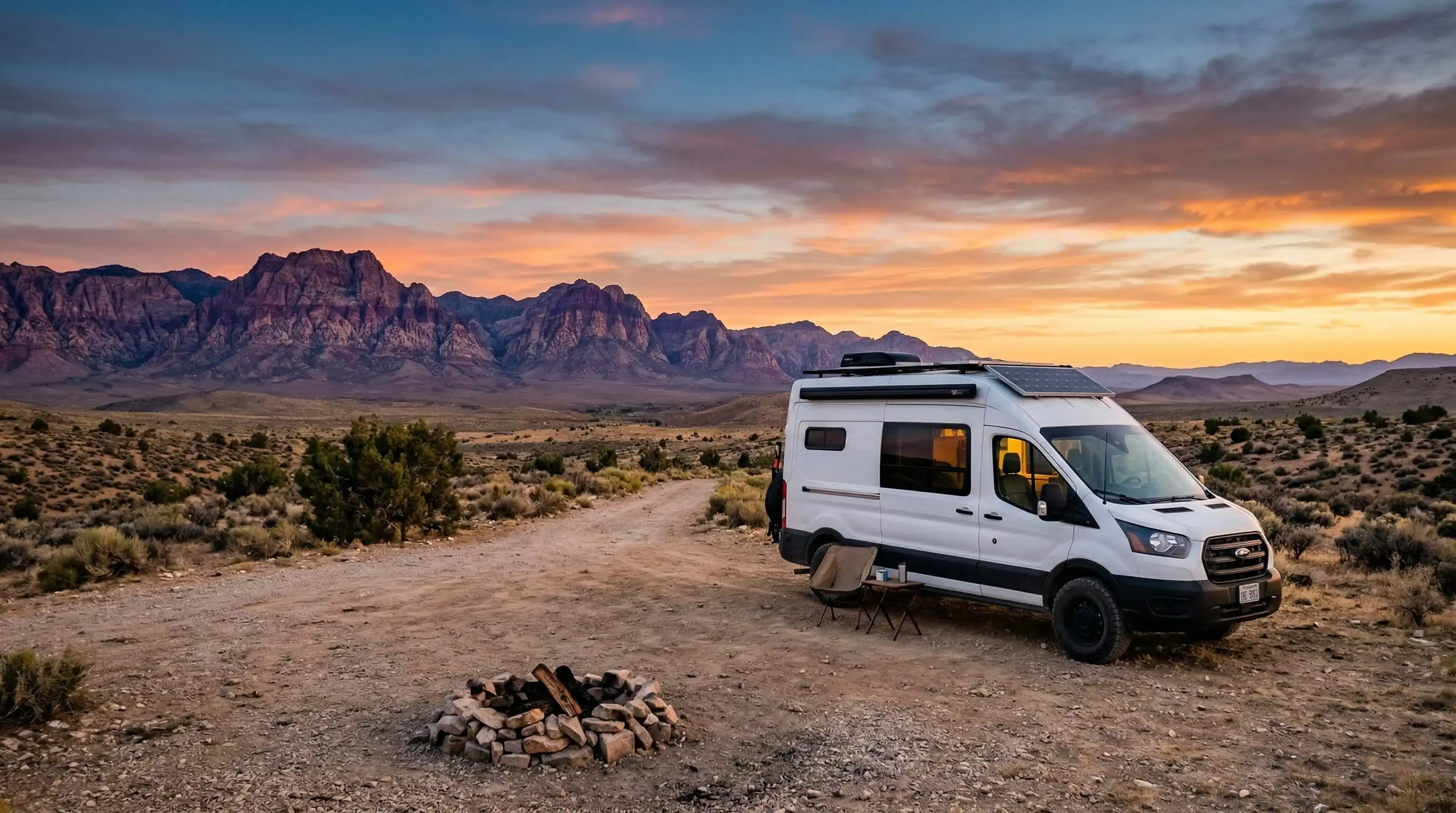
Finding the perfect boondocking site is an art form that blends digital scouting with old-school intuition. Unlike a reserved campground where a numbered post awaits you, the wilderness requires you to be your own concierge. The goal is to find a "Goldilocks" spot: remote enough for peace and quiet, yet accessible enough that you don't bottom out your chassis or get stuck in a dry wash. Using tools like satellite imagery and specialized camping apps is the best way to start your search, but the real work happens when your tires hit the gravel.
Scouting Your Perfect Spot
When you arrive at a potential dispersed camping area, don't just pull into the first flat clearing you see. Take a moment to evaluate the "three pillars" of a great site: safety, legality, and leveling.
- Check for Existing Fire Rings: To minimize your impact, always try to use a "disturbed" site rather than creating a new one on pristine grass or cryptobiotic soil.
- Assess the Ground: Is it soft sand that might swallow your tires if it rains? Is it a low point that could become a lake during a flash flood? High ground is usually your friend.
- Test Your Signal: If you need to work, use a signal booster or check your bars before you unhitch; five miles can be the difference between 5G and a total dead zone.
- Look Up: Avoid parking directly under large, dead trees (often called "widowmakers") that could drop heavy branches in a windstorm.
Leveling is perhaps the most underrated part of the process. Even a slight $2^\circ$ to $3^\circ$ tilt can make sleeping uncomfortable and, more importantly, can cause your RV refrigerator to malfunction or even permanent damage to the cooling unit. Carry a set of leveling blocks and a bubble level to ensure your "living room" actually feels like home. Once you’ve found a level spot with a view, take a moment to look around for any "No Trespassing" signs or specific BLM (Bureau of Land Management) markers to ensure you’re staying within legal boundaries.
Finally, remember the "Rule of 14." On most public lands, you are limited to a 14-day stay before you must move at least 25 miles away. This prevents permanent settlements and gives the land a chance to recover. By being a respectful steward of these sites, you ensure that the gates stay open for the next adventurer. Finding that perfect, hidden nook in the mountains is a reward in itself—just make sure you can get back out as easily as you went in.