
The Evolution of Off-Grid Scouting in 2026
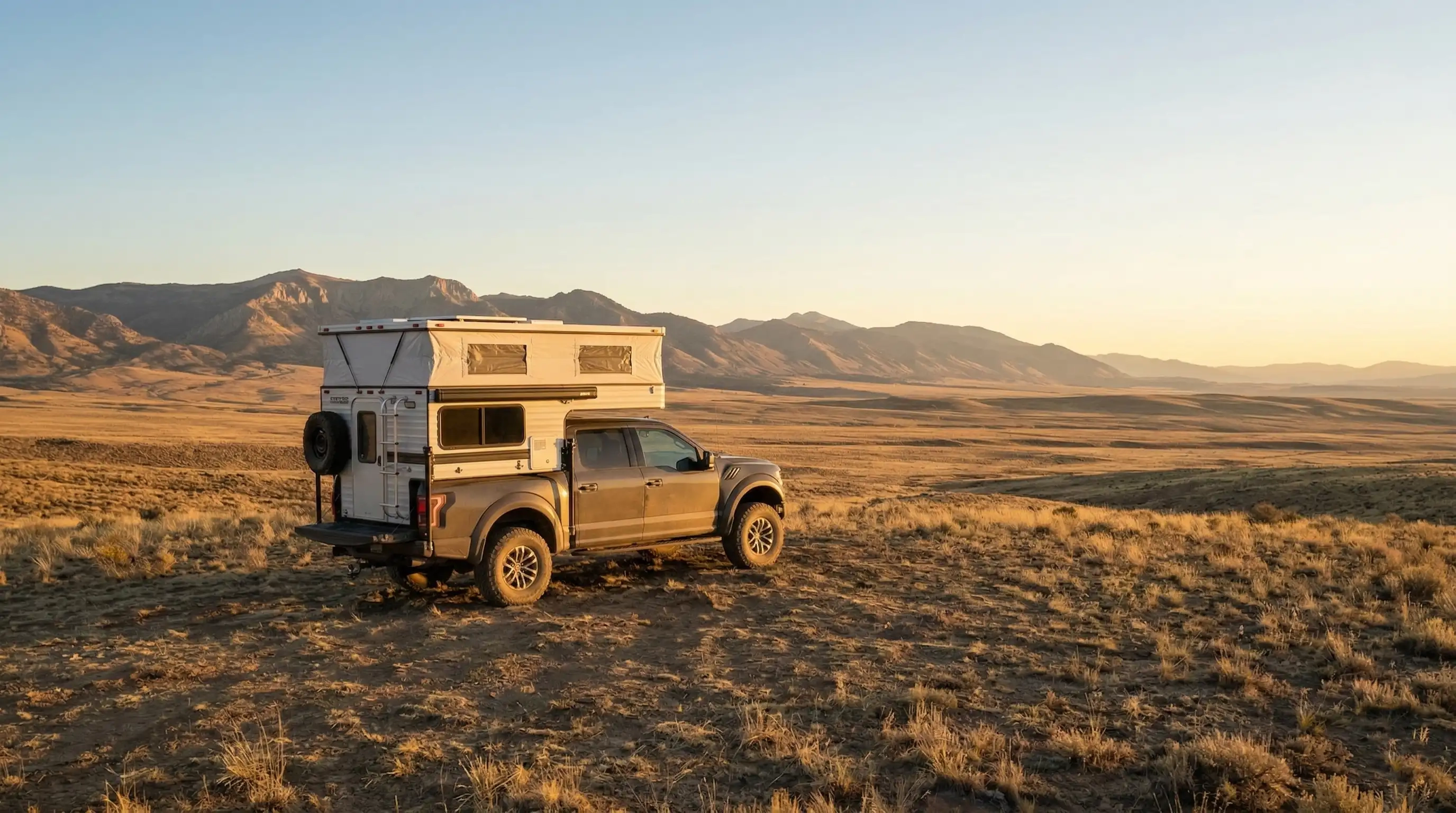
As we move into 2026, the landscape of Bureau of Land Management (BLM) boondocking has shifted from 'finding a spot' to 'managing an ecosystem.' With the saturation of traditional sites, the expert boondocker must now leverage advanced geospatial data and RF (Radio Frequency) propagation modeling to secure locations that offer both solitude and the technical infrastructure needed for remote operations. This is no longer about following a dirt road; it is about analyzing topographical contours and high-resolution satellite imagery to predict solar gain and Starlink visibility.
The Technical Edge: RF Signal and Starlink Placement
One of the primary constraints for the modern off-grid veteran is the clear view of the northern sky (or southern, depending on the constellation's current orbital density). In 2026, with the Starlink Gen 4 hardware, power consumption has stabilized, but the sensitivity to localized obstructions—specifically 2.4GHz and 5GHz interference from neighboring rigs—is higher than ever. When scouting BLM land near the Wind River Range or the high deserts of New Mexico, use a spectrum analyzer to identify clean channels before deploying your mesh network. Optimal placement requires a minimum of 110 degrees of unobstructed sky. If your rig is shaded for solar efficiency, you must calculate the voltage drop over 100+ feet of Starlink proprietary cabling if you are remote-mounting the dish.
Topography and Solar Thermal Management
The best free spots in 2026 are found at the intersection of 'Tier 2' access roads and 15% grade slopes that level out into plateaus. In the Nevada Great Basin, specifically the Tonopah North region, the diurnal temperature swing can exceed 50 degrees Fahrenheit. For rigs equipped with 1200Ah+ LiFePO4 banks, managing the C-rate during the peak 4-hour solar window (11:00 AM to 3:00 PM) is critical. Use an MPPT controller with active temperature compensation. We recommend the 'South-Facing Slope Strategy': position your rig on the northern edge of a canyon floor to maximize morning sun exposure on your vertical panels while using the canyon wall as a thermal heat sink during the late afternoon.
Logistics of Extended 14-Day Stays
Under 43 CFR § 8365.1-6, the 14-day limit remains the gold standard, but the enforcement in 2026 has become increasingly digitized via automated plate readers in high-traffic zones. To stay legal and undetected, the expert must master 'Stealth Logistics.' This involves a greywater evaporation system (legal in specific arid BLM districts if properly filtered to 50 microns) to extend holding tank capacity. For fresh water, avoid the high-alkalinity wells found in many BLM staging areas; instead, utilize a three-stage UV-C sterilization system to process water from intermittent streams, provided you have the legal right to surface water in that specific basin.
Hidden Gems: The 2026 Shortlist
- The Black Rock Desert Perimeter (Nevada): Move beyond the Playa into the surrounding canyons. Focus on the 4,500ft elevation contour for 5G ultra-wideband signal bounce.
- Coconino Plateau (Arizona): Avoid the Grand Canyon entry corridors. Look for the 'checkerboard' land sections where BLM meets State Trust land (requires a permit, but offers superior isolation).
- San Rafael Swell (Utah): Specifically the northern interface where the technical terrain limits access to 4x4 high-clearance rigs only. This is prime territory for 2000W+ solar arrays due to the 300+ days of sun.
Ultimately, the best free spots in 2026 are those that require a 'barrier to entry'—whether that is a technical skill in navigation, a high-clearance suspension modification, or a sophisticated power management system that allows you to remain stationary while others must retreat to the city for a recharge.