
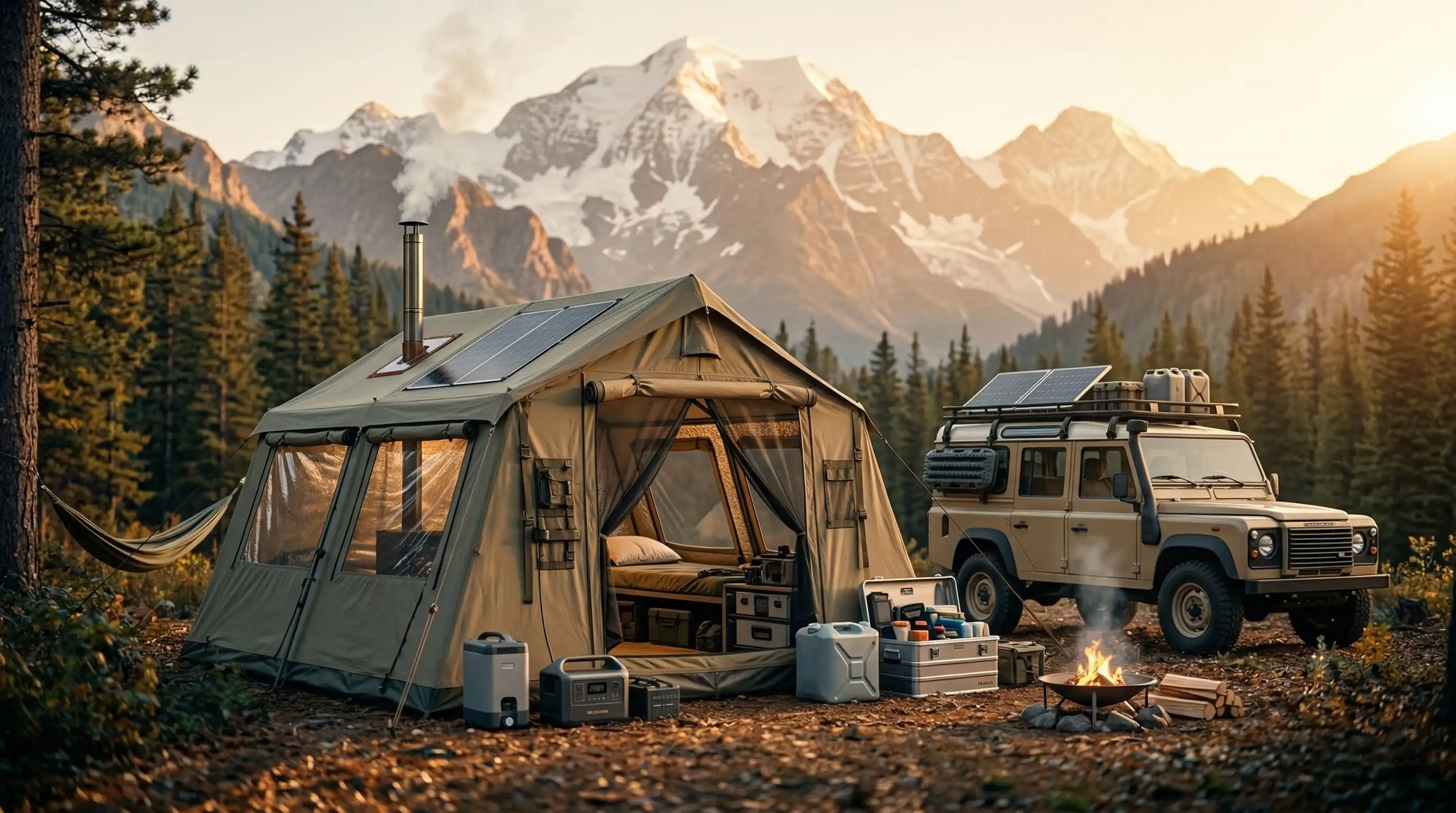
While boondocking is often associated with massive 4x4 rigs, tent boondocking offers a level of intimacy with nature that you just can't get behind a fiberglass wall. However, since you won't have the structural protection of an RV, your tent becomes your primary fortress against the elements. Choosing the right shelter is the difference between a peaceful night under the Milky Way and a midnight battle with collapsing poles and shifting winds.
Choosing Your Off-Grid Fortress
For true dispersed camping, you need a tent that balances durability with ease of setup. Since you'll likely be camping in remote areas where weather can turn on a dime, a flimsy "backyard" tent won't cut it. Look for these specific features to ensure your gear survives the backcountry:
- Full-Length Rainfly: Ensure the fly extends all the way to the ground to prevent splash-back from heavy rain and to provide a windbreak.
- Aluminum Poles: Avoid fiberglass; aluminum is lighter, stronger, and far less likely to snap in a high-desert gust.
- Ripstop Fabric: Look for a high denier (thickness) rating on the floor material to protect against jagged rocks or desert scrub.
- Large Vestibules: Since you don't have a "mudroom," a large vestibule allows you to store dusty boots and gear outside your sleeping area while keeping them dry.
The Great Debate: Ground vs. Rooftop
The most popular choice for modern boondockers is the Rooftop Tent (RTT). These are bolted to your vehicle’s roof rack, keeping you off the cold ground and away from critters like snakes or scorpions. They usually come with a built-in foam mattress, making them incredibly comfortable. However, if you prefer a traditional setup, a 4-season canvas tent (like a Kodiak or Springbar) is a fantastic alternative. These "hot tents" are heavy, but they are nearly indestructible and offer incredible insulation against both heat and cold.
Ultimately, the best tent for boondocking is the one that matches your vehicle's capability and your personal comfort level. If you're moving spots every day, a quick-deploy rooftop tent or a "pop-up" ground tent is a lifesaver. If you plan to hunker down in one spot for a week, a spacious canvas cabin tent provides the luxury of standing room. No matter what you choose, always do a "dry run" setup in your yard before heading into the wild—fumbling with tent poles in the dark with no cell service is a rite of passage you’d likely prefer to skip.